
tl;dr: Executive dysfunction makes cooking harder and often results in ordering food. Snacks are a good transition between ordering and cooking food to save money and eat healthier. By making snacks easy and healthy, it’s easier to build good eating habits. This article provides 13 different options, many of which are also helpful for future cooking recipes.
Executive dysfunction results in many challenges. One of the biggest challenges is simply eating in a way that’s both healthy and inexpensive. Cooking is a large time investment and has many steps, making it more difficult for people with executive dysfunction. Hunger is also a source of stress, making it even harder. Meal delivery starts seeming like a very attractive option as a result, despite often being seen as the “lazy” option. So… let’s talk about snacks!
- Why Snacks and not Easy, Healthy Meals?
- Nutritional Requirements for Easy Snacks to be Healthy
- Bring on the Snacks!
Why Snacks and not Easy, Healthy Meals?
Some people might be able to simply switch from ordering food to cooking meals directly, but this isn’t super common. Healthy snacks that are easy to prepare (or don’t require any preparation) can help fill the gap. On days with particularly bad executive dysfunction, a combination of healthy snacks can make for a decent meal substitute. Otherwise, a small snack can help reduce the stress of hunger and make it easier to cook, for eating later.
Additionally, if you already have a snacking habit, these are healthy alternatives to help. Regular snacking is generally an unhealthy habit, so improving the nutrition of snacks is a major improvement. Even better, many healthy snacks are also usable as ingredients in cooking meals. This will help whenever you would like to start cooking your own meals to save money and eat healthier.
Nutritional Requirements for Easy Snacks to be Healthy
In addition to being easy to prepare, snacks on this list need to be reasonably healthy. Snack foods tend to be less healthy than home-cooked meals, but they can still be reasonably healthy. To be considered “healthy”, the easy snacks on the list need to meet two main nutritional requirements.
- Provide at least one important nutrient, such as a vitamin, protein, or dietary fiber.
- Contain minimal added salt, fat, and sugar. While these are important to have in a given diet, many processed foods tend to add unhealthy amounts. Since it is so easy to get enough of these, lower amounts are prioritized in these snack foods.
Additionally, snacks on the list are meant to provide multiple vegan and gluten-free options. They also have a variety of caloric density for people who have trouble eating enough and need the energy boost. Finally, while some of these snacks are processed and have artificial ingredients, these are being kept to a minimum. With that said…
Bring on the Snacks!
Note: Snack food nutrition has been compared at roughly 100g amounts. This also does not account for varying flavors or small variations in brand. Always check the nutrition information at the store for more accurate information.
- Baby Carrots
- Hummus (or Salsa or Guacamole)
- Tortilla Chips
- Cheese
- Deli Meats
- Crackers
- Peanut Butter
- Fresh Fruits
- Raisins
- Trail Mix (or mixed nuts)
- Greek Yogurt
- Milk
- Frozen Peas and/or Corn
Snack 1: Baby Carrots
Baby carrots are very easy, cheap, healthy, and are available at most grocery stores. As an alternative, some places may have pre-cut carrot sticks or chips. Any of these can be stored directly in a fridge and eaten without any more preparation. Not only are they sweet, but they are low calorie, low fat, and provide an excellent amount of fiber. They also taste delicious with something to dip them in!
Snack 2: Hummus (or Guacamole or Salsa)
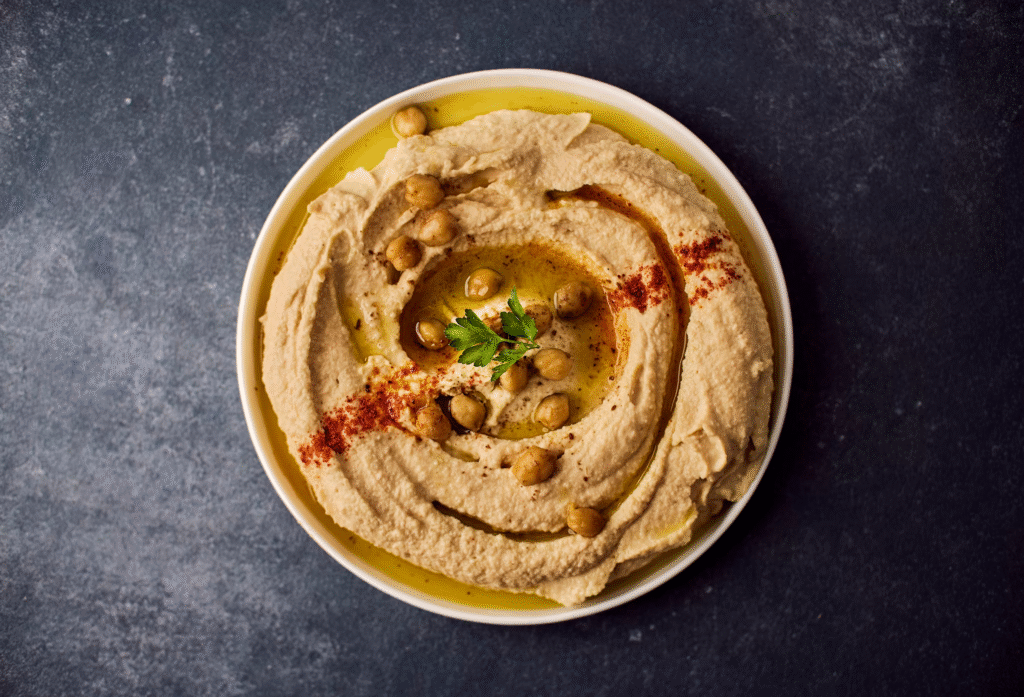
Speaking of dips, Hummus is a shockingly healthy dip for foods like baby carrots, celery, or even broccoli. You can buy it premade at most grocery stores and use it directly without any extra prep. It provides an incredible amount of protein and the primary ingredient (chickpeas AKA garbanzo beans) is even environmentally friendly.
If you don’t enjoy hummus as much, guacamole is a decent alternative. It has more fat and less nutrition, but is still very reasonable as a creamy snack dip. Salsa is also a solid alternative, providing a tart flavor and far fewer calories in exchange for more sodium.
Snack 3: Tortilla Chips
While tortilla chips tend to be very carb-heavy, they are also more of a typical “snack food”. They provide a good alternative to potato chips and work much better with dips. Not only that, but tortilla chips tend to be fairly inexpensive and a very solid ingredient in simple recipes!
Snack 4: Cheese
Cheese has a lot of saturated fat, but is an excellent staple for flavor, calcium, and protein. Getting it in shredded or sliced forms is a bit more expensive, but makes it far more flexible, too. You can put it on tortilla chips or crackers, and use it for cooking whenever you decide to cook! If you’re lactose intolerant or want a healthier cheese option, goat cheese and sheep cheese are also worth a try! In addition, lactose breaks down as cheese ages, so older cheeses are also safe!
Snack 5: Deli Meats
Deli meats, or “sandwich meats”, are another decent source of proten for people who want something with meat. You also have multiple options for flavors, such as roast beef, ham, and turkey. While they tend to be very salty, they are also decent for making snacks more flavorful without being too unhealthy. Basic meat and cheese sandwiches or cracker plates are also classic for good reason!
Snack 6: Crackers
Speaking of crackers, they are a very solid base for many snacks. Importantly, many crackers can be very unhealthy due to additives and white flour. Try to look for healthy crackers recommended by dieticians or check the nutrition information at the store yourself.
Snack 7: Peanut Butter
Originally made to help people get protein, peanut butter is very nutritious and full of protein. It does also have a decent amount of fat, sugar, and salt. However, it goes well with crackers, fruits, and milk. Not only that, but a peanut butter sandwich is one of the easiest meals to make without requiring much preparation. Make sure to get basic peanut butter, and consider chunky peanut butter for extra texture and fiber.
Snack 8: Fresh Fruits
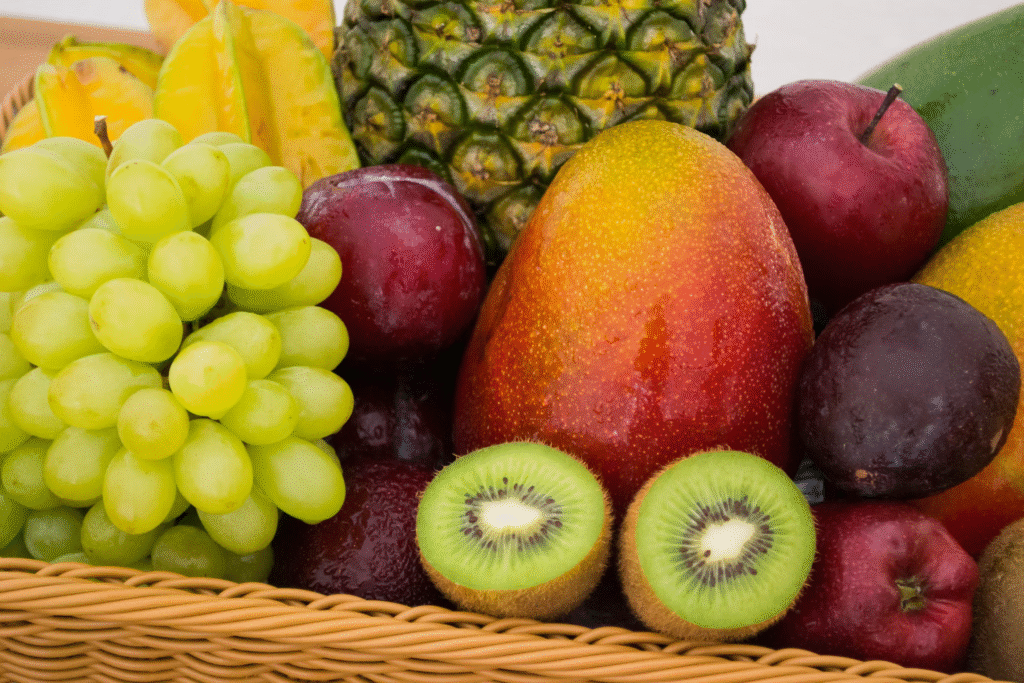
Fresh fruits such as bananas, apples, pears, and grapes are some of the best snacks to have. Not only are they very inexpensive, but they are easy to eat and provide decent nutrition. All they typically need is a quick rinse at most, and they’re ready to eat! Oranges are also very solid options, but they take a bit more effort to eat.
A few notes about fresh fruits: Storing fruit in the fridge makes it last longer, if you forget about it easily. Bananas are the exception and should be kept out on the counter with aluminum foil around the stem. Grapes are the least healthy option out of these, as they provide more sugar and less fiber. Finally, all fruits have a major benefit of helping keep you hydrated while you eat, even without having a drink!
Snack 9: Raisins (and other dried fruits)
Raisins are the most common type of dried fruit and are available almost everywhere. Their small size also makes them easy to combine with nuts into a trail mix. Other dried fruits such as dried apple and pear slices are also very healthy. Steer clear of banana chips though, as they have incredibly high saturated fat and sugar contents.
Snack 10: Trail Mix(or mixed nuts)
Trail mix is a fantastic substitute for common snacks like pretzels, chips, and crackers to munch on. It often comes with raisins and possibly chocolate chips or M&Ms for a bit of sugar, while using many nuts. The nuts provide decent nutrition, though they also tend to have a decent amount of fat. Plain mixed nuts are also a good alternative. Note that both of these options are typically very salty as well.
Snack 11: Greek Yogurt
Yogurt is a classic food that goes well with fruits and is a decent ingredient in recipes. Greek yogurt specifically provides more protein with less sugar, while also being safe to eat for people with lactose intolerance. It is also fairly inexpensive when purchased in bulk, but can be purchased with individual disposable cups. Note that buying larger containers also provides you with plastic containers for other foods later, helping with future meal prep.
Snack 12: Milk
There honestly isn’t much to say about milk. It’s tasty on its own, you can get it without fat, and plant-based alternatives exist. Soy milk is the most similar to cow milk, is widely available, and is a good equivalent for cooking purposes. Other alternatives like almond milk, rice milk, and even hemp milk are often available as well. Importantly, milk is being considered a snack because it’s a fantastic option as a “food substitute.” Drinking a glass of milk before bed instead of heavier snack foods is more nutritious and easy to do!
Snack 13: Frozen Peas, Corn, and Edamame
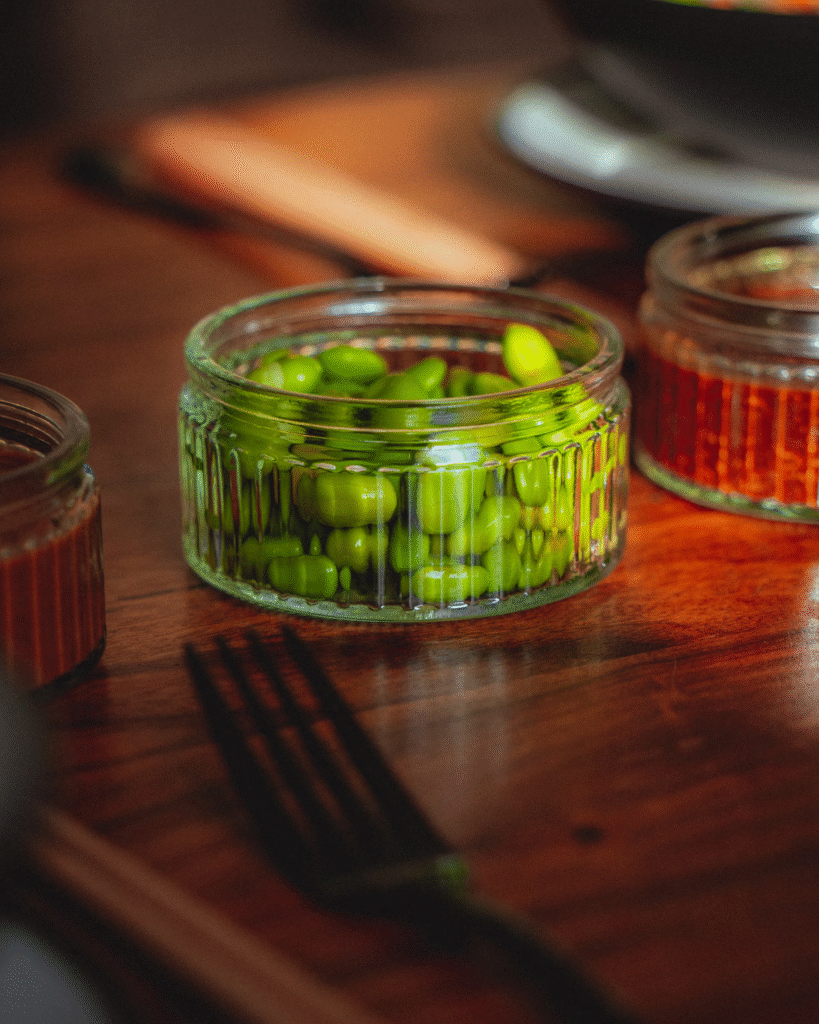
Frozen veggies like peas and corn are inexpensive, healthy, easy to store in a freezer, and surprisingly easy to prepare. Simply toss some in a microwave-safe bowl with a bit of salt and butter (or oil) for 2-3 minutes. You’ll have a delicious snack very quickly. Frozen edamame is even better, providing very good nutrition while being easy to snack on. Not only that, but frozen edamame in the pod often comes salted and is a very convenient snack. Once again, it can simply be microwaved for a few minutes in a bowl and is ready to eat.
Are there any snacks you like and think belong on this list? Add a comment below with your suggestions! I’ll research and add any that seem especially good.
Also, if you found this article interesting or helpful, please consider donating to my ko-fi! Every bit helps, and monthly contributions in particular will help me continue writing articles like these every week.
Leave a Reply