
tl;dr: Apps are designed to grab and hold your attention. They build habits and flow states in order to create emotional dependence and addiction. This directly causes executive dysfunction to worsen. Fortunately, there are many possible ways to push back against app addiction and reclaim your time.
When you woke up this morning, what did you do first? Many of you reading right now will say that you grabbed your phone. Perhaps you did it to catch up on instant messages. Or, maybe you wanted to scroll shorts on Tiktok or reels on Instagram. Sometimes it can be very difficult to pull yourself away, even when you have work or chores to do. Let’s explore what’s going on here and what we can do about it.
- Apps are addicted to our attention.
- Habits, Flow States, and Addiction
- Social Media apps are especially addicting…
- Mobile game apps are also especially addicting…
- What can we do about our app addictions?
Apps are addicted to our attention.

Before talking about the addictiveness of apps, we should take a moment to ask something. Why are apps made to be addicting in the first place? The answer lies in the Attention Economy. People only have so much time to pay attention to different things in their lives. Advertisements show this fact by paying for prime time on TV and for targeted advertisement slots.
Apps have some particular motivations for attention, though. In addition to paid advertisements, they often have premium paid content such as microtransactions and subscriptions. The more time you spend on an app, the more likely you are to directly spend money on these. Not only that, but there are more subversive ways that apps take advantage of your attention. Many are recording personal data such as when you use them, where you use them, and what you pay attention to while using them. They can then use this data to feed you more subtle marketing, sponsorships, and even political propaganda.
If you deal with executive dysfunction, you most likely have some amount of difficulty with apps like these. Many of the techniques used to maintain attention and form addictions are designed around exploiting executive dysfunction. Not only that, but they often reinforce executive dysfunction and are directly designed to break down executive functioning in favor of building these addictions. There are ways to work against this, but first it’s important to know how exactly apps are designed to do this.
Habits, Flow States, and Addiction
Two of the strongest ways apps form addictions are by building habits and creating flow states. The reasons why aren’t too difficult to see. Habits are typically unconscious behaviors and biases we have towards different things. They’re very useful when we habitually do helpful things, like having a habit of brushing our teeth before bed. But, they can also be very problematic, such as when you have a habit of eating snacks at your desk. Without thinking about it, you might have already eaten an entire bag of chips!
Flow states, on the other hand, are states where you seem to “lose yourself” in whatever you’re currently doing. In cases like producing art or working, this can be helpful since you tend to be more focused and better at doing the task. On the other hand, flow states cause a loss of time awareness and even emotional dependence on the activity. People with ADHD can experience a flow state called “hyperfocus”, where they might even forget things like hunger or tiredness!
It’s easy to see why putting habits and flow states together tends to result in addiction. Habitually starting an activity and being in a flow state during it can lose a lot of time very quickly. This is made even worse when you feel emotionally dependent on that activity. Notably, addictions also break down executive functioning ability as the addiction takes over increasing amounts of time and energy. Even people without existing executive dysfunction can end up developing it as a result.
Social Media apps are especially addicting…
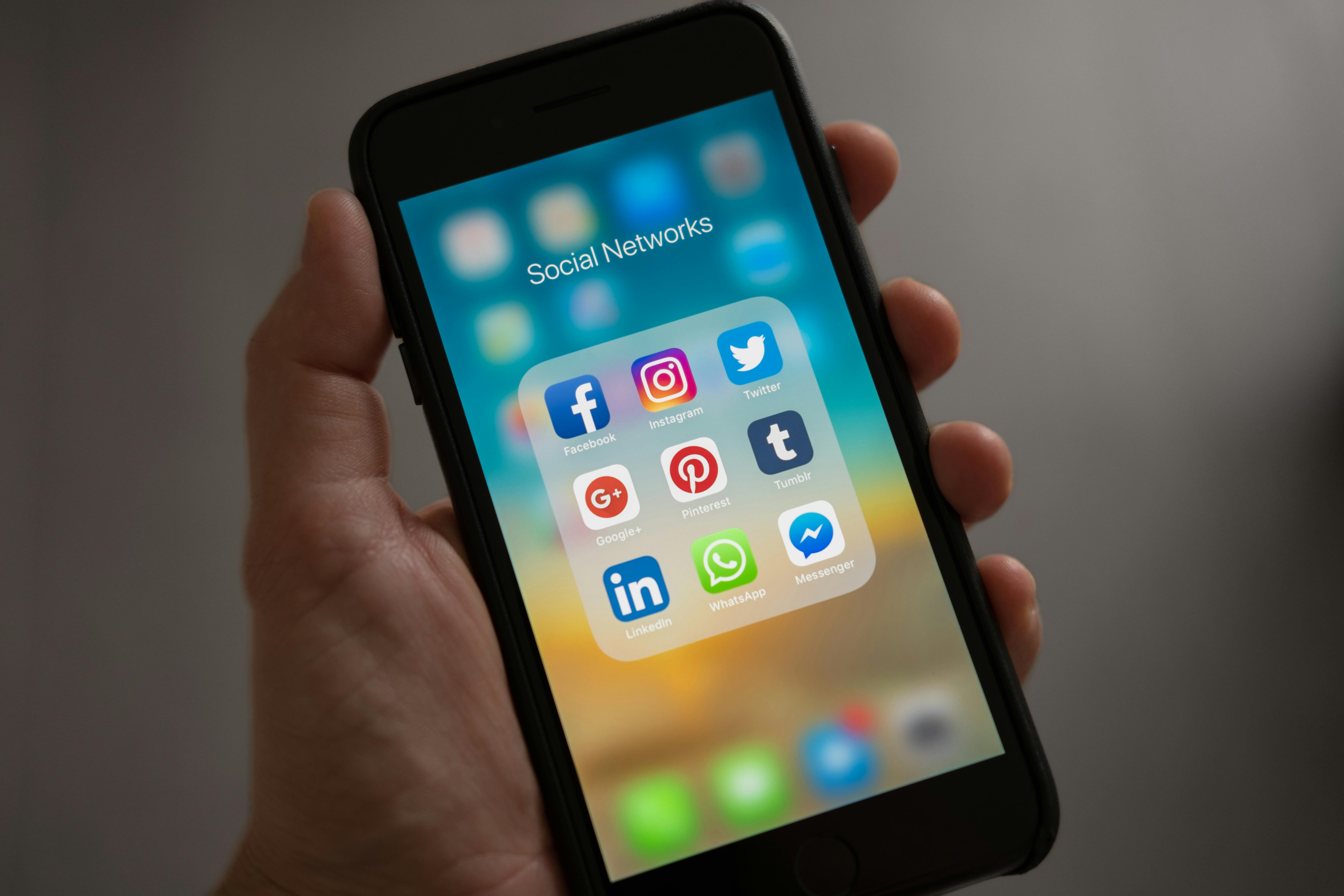
Social media is the first and most dangerously addictive category of mobile app. This includes many different specific apps: Reddit, Facebook, Youtube, Bluesky and Twitter (or “X”), Instagram, Tiktok, Tumblr, Twitch… You likely use at least one of these per day, if not multiple. Not only that, but they have a variety of specific tricks to artificially create habits and hook you. Many of these tricks involve activating your emotions in positive and negative ways, particularly positive ways. Unfortunately, this also leaves you emotionally drained afterwards and less able to engage with reality.
Here are a few of the specific tactics social media apps use:
- Many apps use a flood of push notifications to remind you of the app and start forming habits immediately. Often, disabling these notifications is very difficult and time-consuming, making it easier for you to simply let them flood you with these notifications.
- Amplified rewards of normal social interaction through status updates and validation in forms such as “likes.” These often require maintaining an idealized persona that is not the reality, often becoming overwhelming and depressing.
- Infinitely-scrolling content feeds make it far easier to fall into a flow state for extended periods. In some apps (such as tiktok), the next piece of content automatically starts playing as the previous content ends, trying to grab your attention and forcibly maintain the flow state.
- Many apps deliberately delay loading content for a few moments to build anticipation before only sometimes loading new content. This creates a type of “gambling” on whether or not there will be something new and helps build a habit of refreshing repeatedly.
These last two tactics are particularly dangerous. They directly feed into the phenomenon of…
Doomscrolling.
You probably have an idea of what doomscrolling is. Many people do it in bed, on the toilet, or on work breaks. When you scroll through content feeds, it’s easy to get lost in the whiplash of good and bad news. Often, you will find yourself learning about a school shooting only to see an adorable kitten being adopted immediately afterwards. Infinite content feeds tend to do this perpetually with very few emotional breaks.
This emotional stress is also often caused by feedback loops in social media algorithms. Negative content typically gets twice as much engagement as positive content, so it gets recommended more. By interacting with it, the social media algorithm prioritizes it for you specifically, as well. This reinforces anxiety, which reinforces doomscrolling to learn more about potential dangers in the news.
Not only that, but doomscrolling is actively dangerous. It reinforces anxiety and stress, particularly in women and people with histories of trauma. This anxiety and stress then reinforces doomscrolling more to learn about potential dangers in the news. Unfortunately, anxiety and stress also contribute to executive dysfunction, compounding many of the other problems with app addiction.
Mobile game apps are also especially addicting…

Some apps such as Duolingo use “gamification” as a tactic to create habits and flow states. These apps typically provide in-app rewards for logging in every day, along with engagement rewards for using the app. The livestreaming platform of Twitch also provides rewards for consistently engaging with a livestream. In both of these cases, gamification encourages habitual engagement and flow states.
Given “gamification” is used this way, it should come as no surprise that mobile games tend to be extremely addictive. Many mobile games involve similar “gamified engagement,” along with all of the same strategies found in social media. Unfortunately, addiction to mobile games often result in increased social isolation and poorer health, especially for men. Additionally, they use one more particularly harmful tactic to cause addiction: Gambling.
Collectible Card Games (CCGs) and Gacha games are two of the most common types of mobile games. Unfortunately, both involve forms of gambling, whether for specific cards or characters and aesthetics. While research is still being conducted on these types of games, gambling is known to be very addictive. Executive dysfunction also indicates higher risk of gambling addiction due to higher impulsivity, as well.
What can we do about our app addictions?
So, apps try to build addictions that make executive dysfunction worse and target people who already struggle with it. Fortunately, there are strategies we can use to push back against them. By doing that, we can reclaim our time and executive functioning ability.
One of the most commonly recommended solutions is a “dopamine fast.” Essentially, by removing social media and mobile games from our lives, we can reset our emotional well-being. This works, but is often difficult to do. Social media and mobile games can provide good things, such as convenient communication across the world and social experiences about the games. For some people, the distractions can be ways of dealing with difficult emotions that they can’t properly address yet. Because of this, it’s often better to try to change how we use apps instead of completely removing them.
Here are some recommendations to reduce addiction to apps even while still interacting with them:
- Build emotional stability and improve your executive functioning in general, since apps try to exploit poor executive functioning to cause addiction in the first place.
- Turn off push notifications on as many apps as possible. Since this is a primary way they pull you back in, removing it allows you to forget about most apps.
- Use apps such as Focus Friend or Forest to set “focus periods” and use gamification to help you!
- Uninstall particularly addictive apps if you don’t need them. Many apps are far less necessary than you think, and are available in less addictive forms as websites.
- Keep your phone at a slightly inconvenient place when you need to focus. For example, requiring you to get up from your desk at work or out of bed in the morning. Every extra step makes it less likely that you will use the app.
- Simply reading this and becoming more aware of the problem helps. The more you are aware of how you act around apps, the easier it is to break out of habits and flow states.
You don’t need to do all of these things, but they are all options that can help with app addiction. If you still need some kind of help outside of these, professional help is never a bad idea. Life coaches can provide support, accountability, and motivation in implementing strategies like these. Therapists can also help when your difficulty rises to the point of an addiction disorder.
If you found this article interesting or helpful, please consider donating to my ko-fi! Every bit helps, and monthly contributions in particular will help me continue writing articles like these every week.
Alternatively, I provide inexpensive personal coaching for managing executive dysfunction and would love to help you if you need it! I also have a wealth of experience supporting people with ADHD, Autism, and those from the LGBTQIA+ community. If you would like to work with me, you can check my prices here and contact me here. I look forward to hearing from you!
Leave a Reply